
sustainable Aquaculture
Icelandic aquaculture is built on the principle that long-term growth depends on respect for nature, people, and communities. Members of the Icelandic Aquaculture and Ocean Forum (IAOF) are committed to adhering to strong governance and ESG principles, ensuring that the industry develops responsibly while delivering lasting value to Icelandic society.
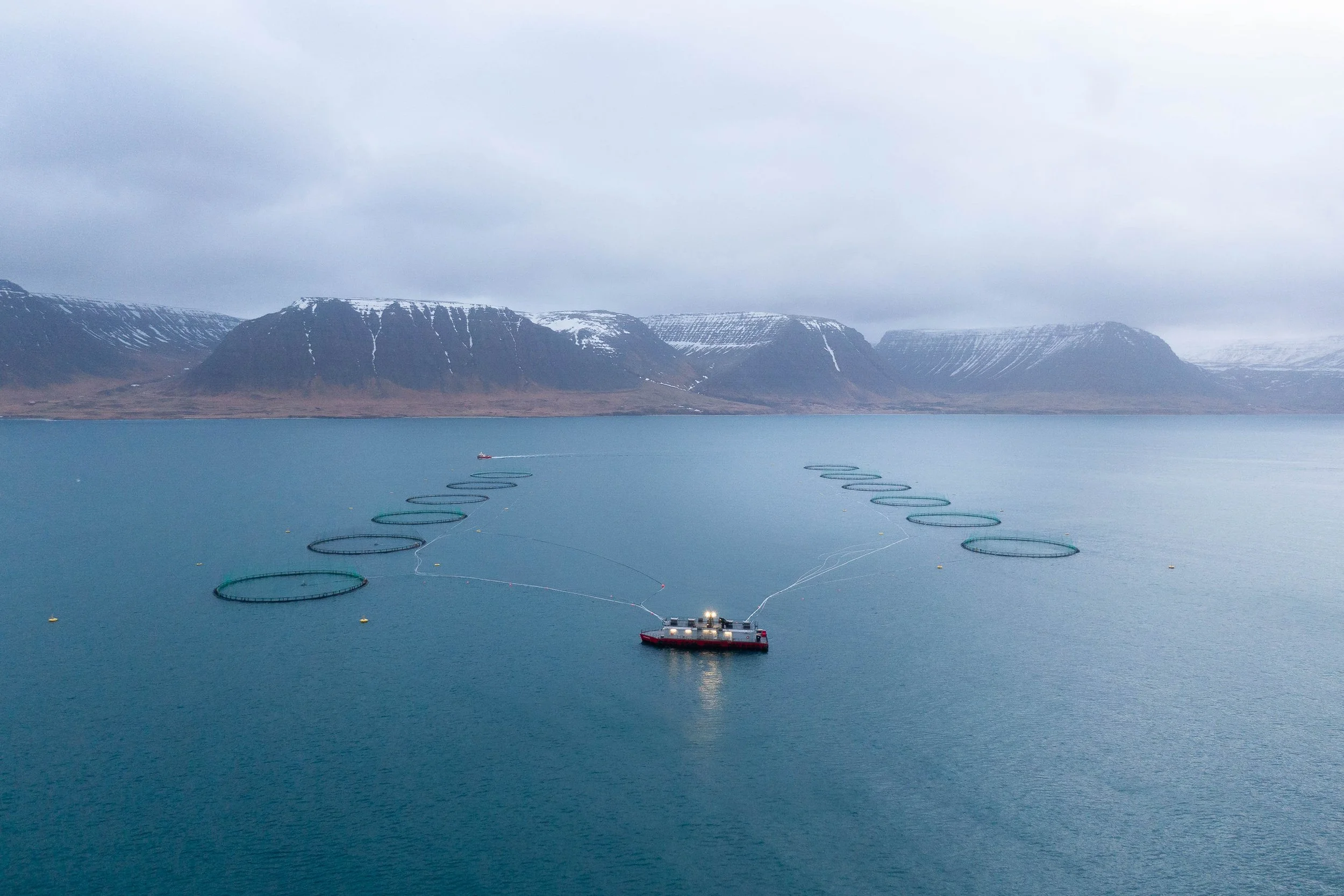
“Our Mission is to Drive Responsible Growth in Aquaculture for Nature, People and Prosperity”
A Fast-Growing Industry
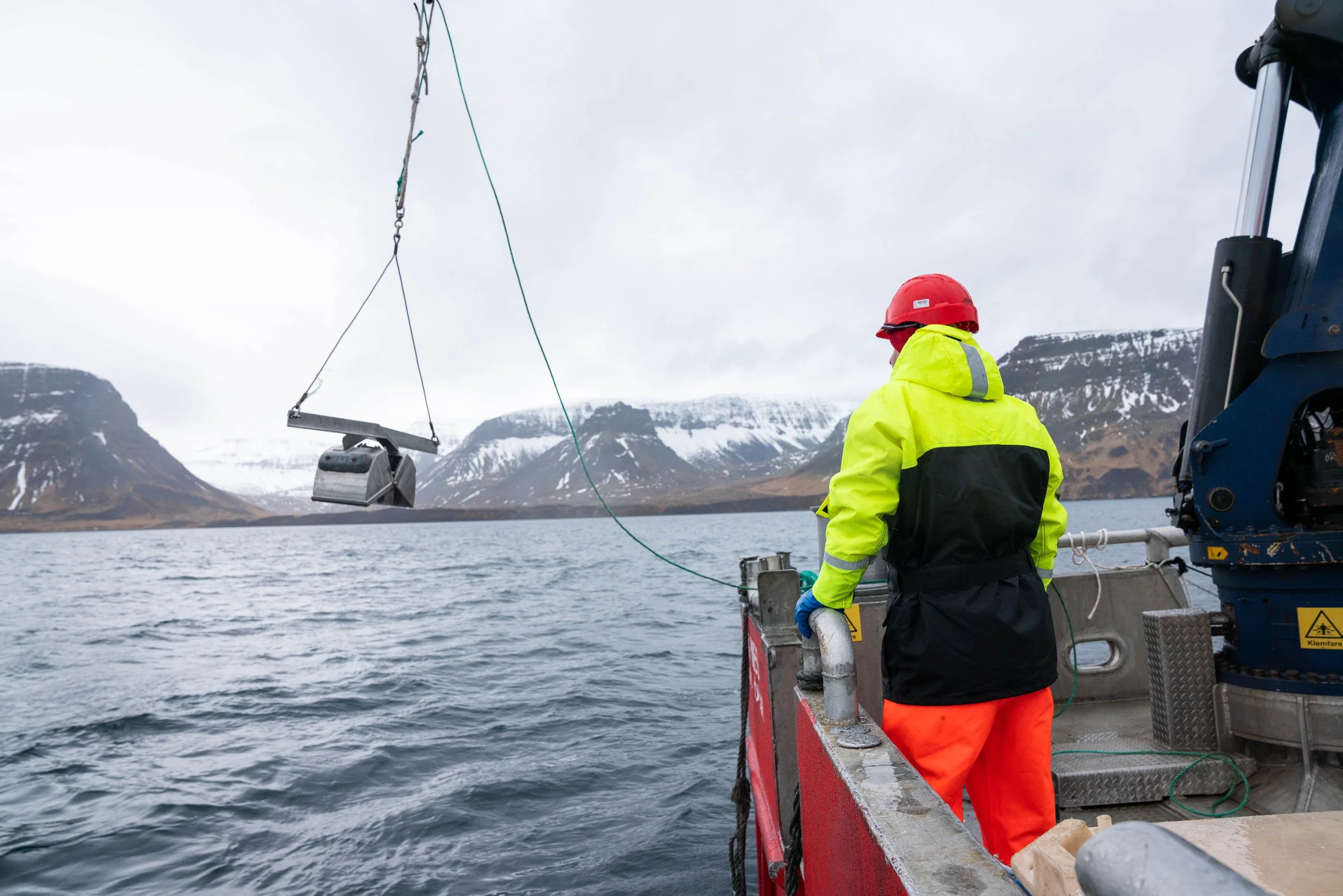
Aquaculture is one of the fastest-growing industries in Iceland, now accounting for around 15% of the country’s seafood exports and making a strong contribution to national GDP. In the first half of 2025, Iceland’s aquaculture harvest reached just under 50,000 tonnes, up from about 42,000 tonnes during the same period in 2024. Estimates are that total production could exceed 58,000 tonnes by year’s end.
The sector has already created hundreds of stable, year-round jobs, particularly in areas previously considered fragile communities. This growth has brought renewed vitality to rural Iceland, supporting housing, services, and infrastructure. Significant growth is taking place across the entire aquaculture value chain: feed production, processing, and logistics which is strengthening rural communities.
Strengthening Communites
With export earnings exceeding ISK 50 billion annually, aquaculture has become a cornerstone of Iceland’s modern economy, represents around 8.4% of Iceland’s total merchandise exports.
Export Value
Through continued sustainable expansion, IAOF aims to:
Strengthen Iceland’s overall economy by supporting long-term value creation
Growth will be achieved responsibly and in harmony with Iceland’s natural resources
Diversify export markets to increase resilience and competitiveness
Position Iceland as a global leader in responsible and sustainable seafood production
At COP28, world leaders pledged to expand aquaculture by 75% to meet growing demand for healthy protein
Future Growth
IAOF governance is aligned with esg principles
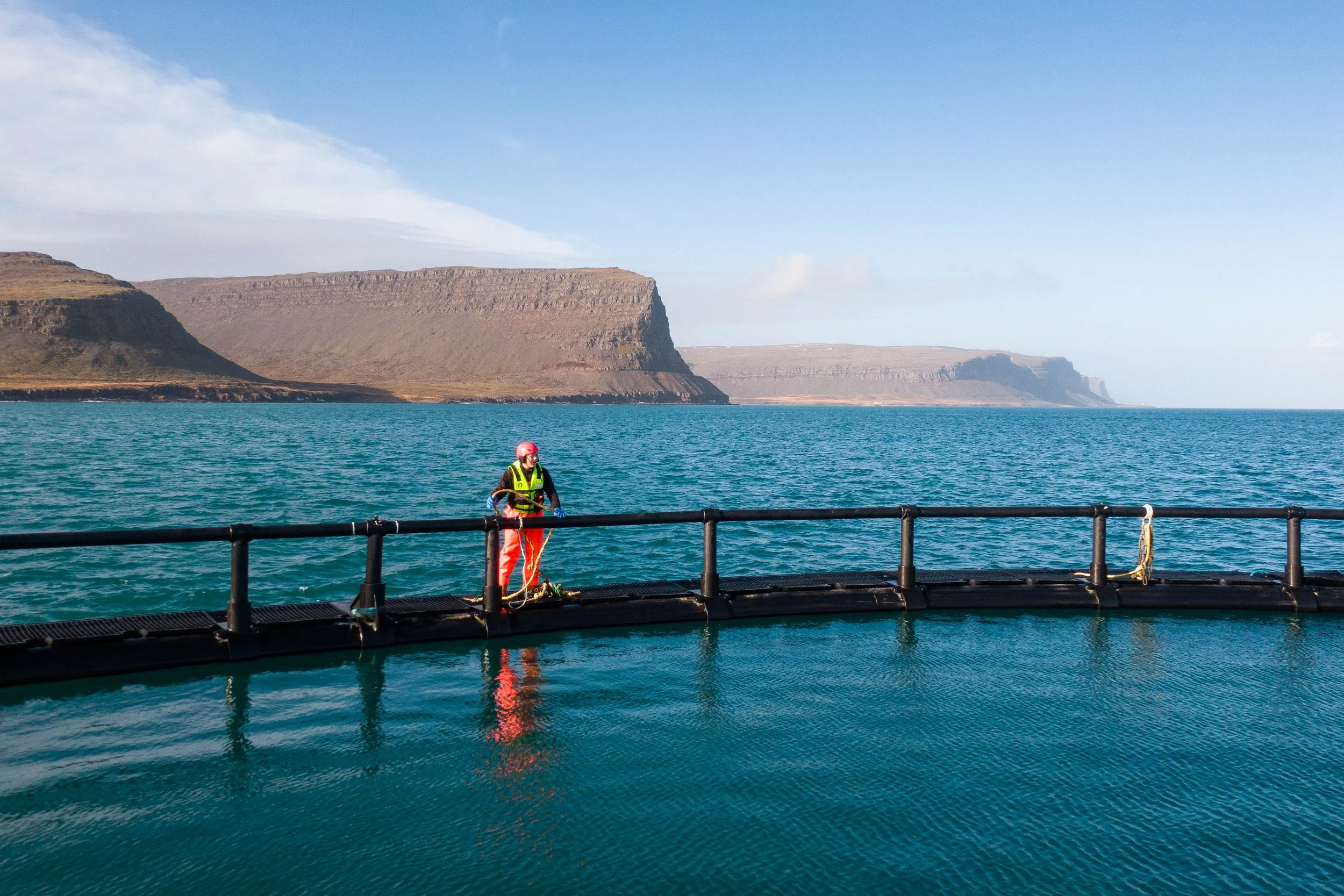
Sustainable use of marine resources is at the core of our operations. Companies commit to science-based carrying capacity assessments of fjords, strict measures to prevent escapes, and continuous investment in innovation to improve fish health and welfare. We aim to minimize the carbon footprint of aquaculture by prioritizing renewable energy, efficient logistics, and responsible feed solutions, ensuring the preservation of Iceland’s unique ecosystems.
Sustainable Biomass Management
Zero Escape Policy
Fish Health & Welfare
Carbon & Energy Transition
Driving innovation and technological progress to minimize environmental impact
Environment (E)
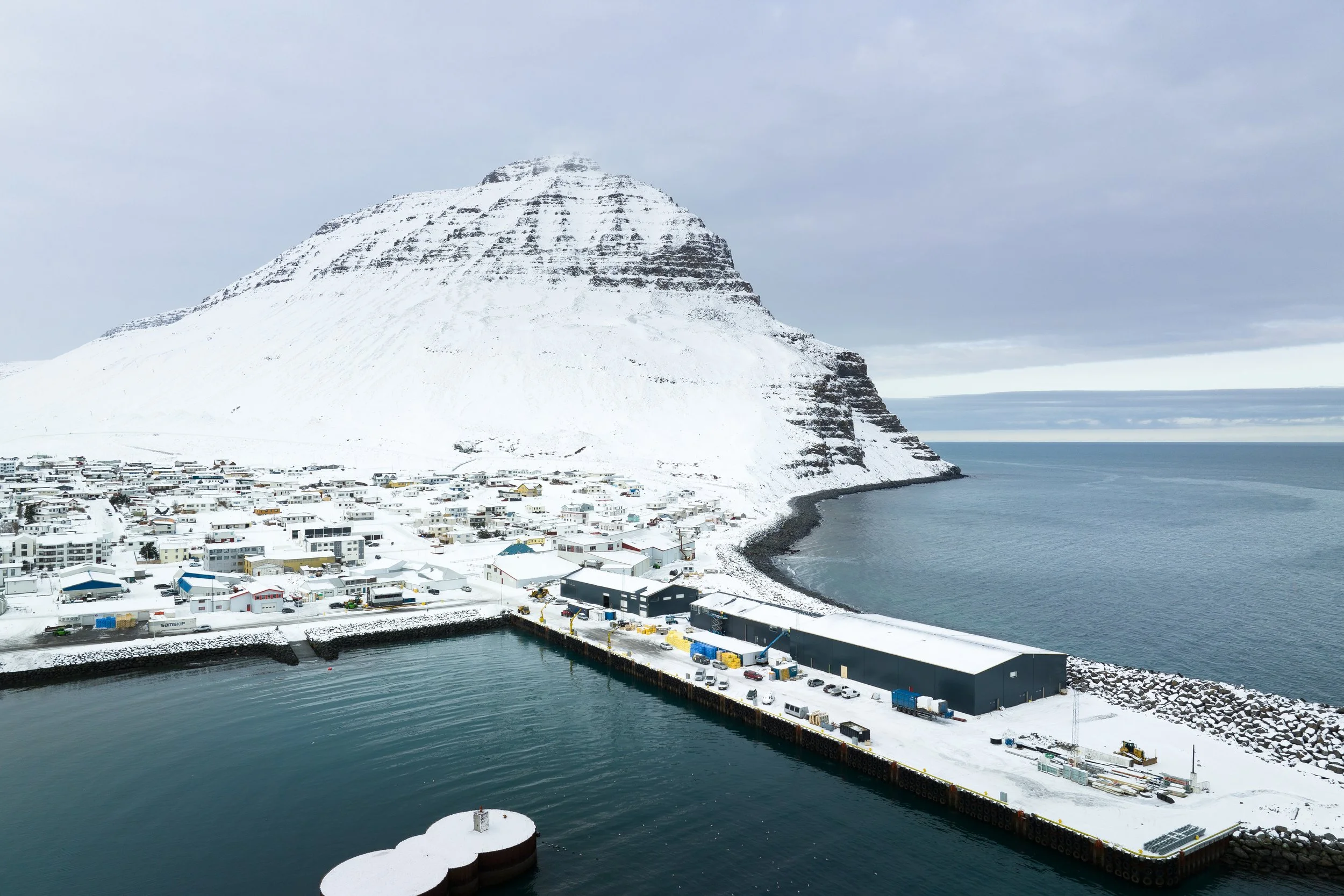
Aquaculture plays a vital role in strengthening Iceland’s coastal communities. We support regional development by creating stable, year-round jobs, contributing to community resilience, and fostering dialogue with local stakeholders. Employee safety, training, and professional development are prioritized to build long-term expertise, while transparency through sustainability reporting and public access to environmental data ensures trust and accountability.
Community Engagement
Support regional development by creating stable, year-round jobs
Transparency & Stakeholder Reporting
Health & Safety of Employees
Embedding sustainability in every stage of development
Social (S)
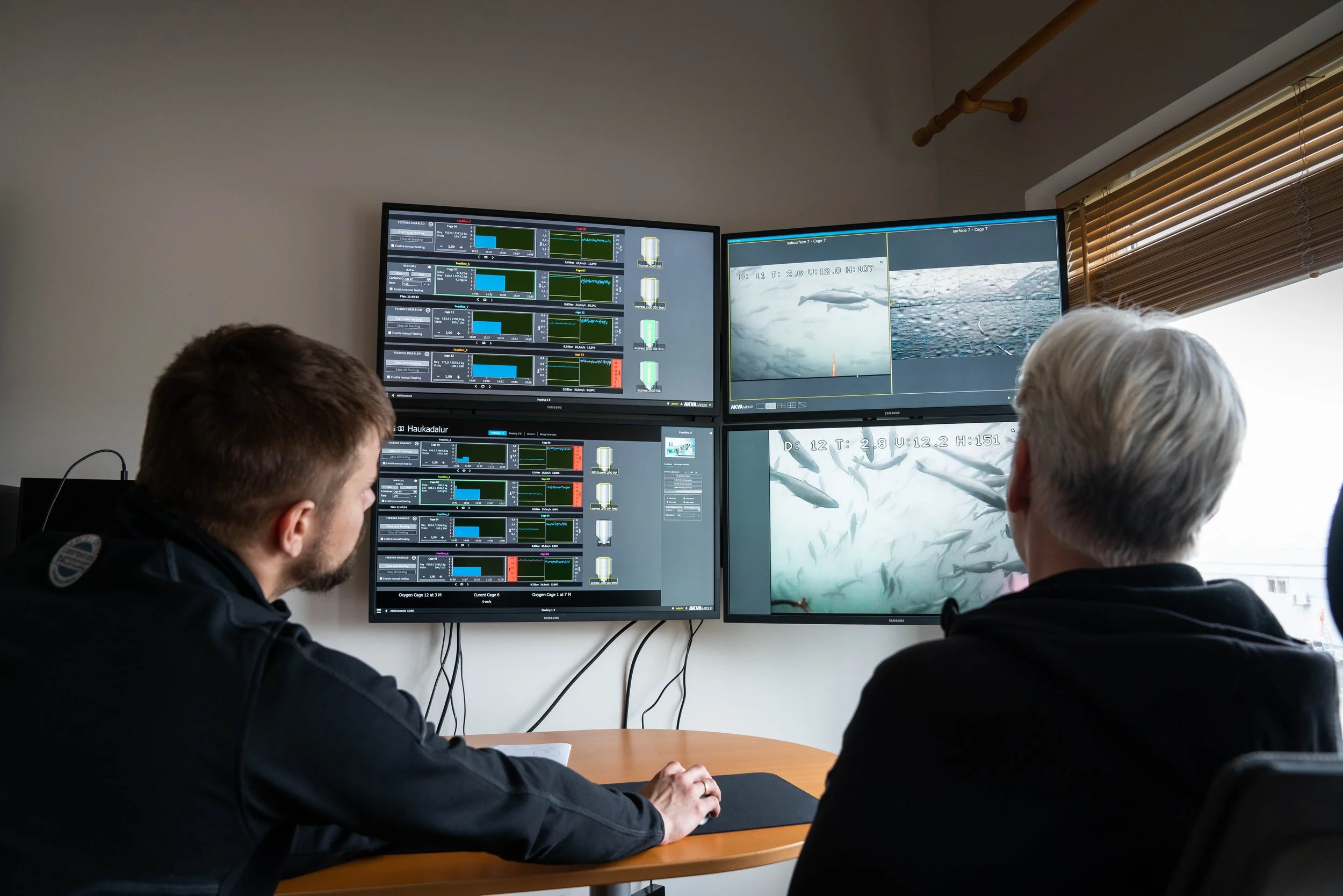
Strong governance is essential for sustainable aquaculture. Boards and executives commit to overseeing ESG performance as part of strategic decision-making. Ethical business conduct, compliance with Icelandic and international standards, and independent third-party audits will guide operations. Transparent reporting of performance and impacts will ensure accountability to regulators, communities, and investors alike.
ESG Commitment
Ethics & Compliance
Adherence to Icelandic and international aquaculture standards
Accountability & Performance Metrics
Growth of seaweed cultivation and development of new ocean-based products